

 AI
AIAI Industry Brief
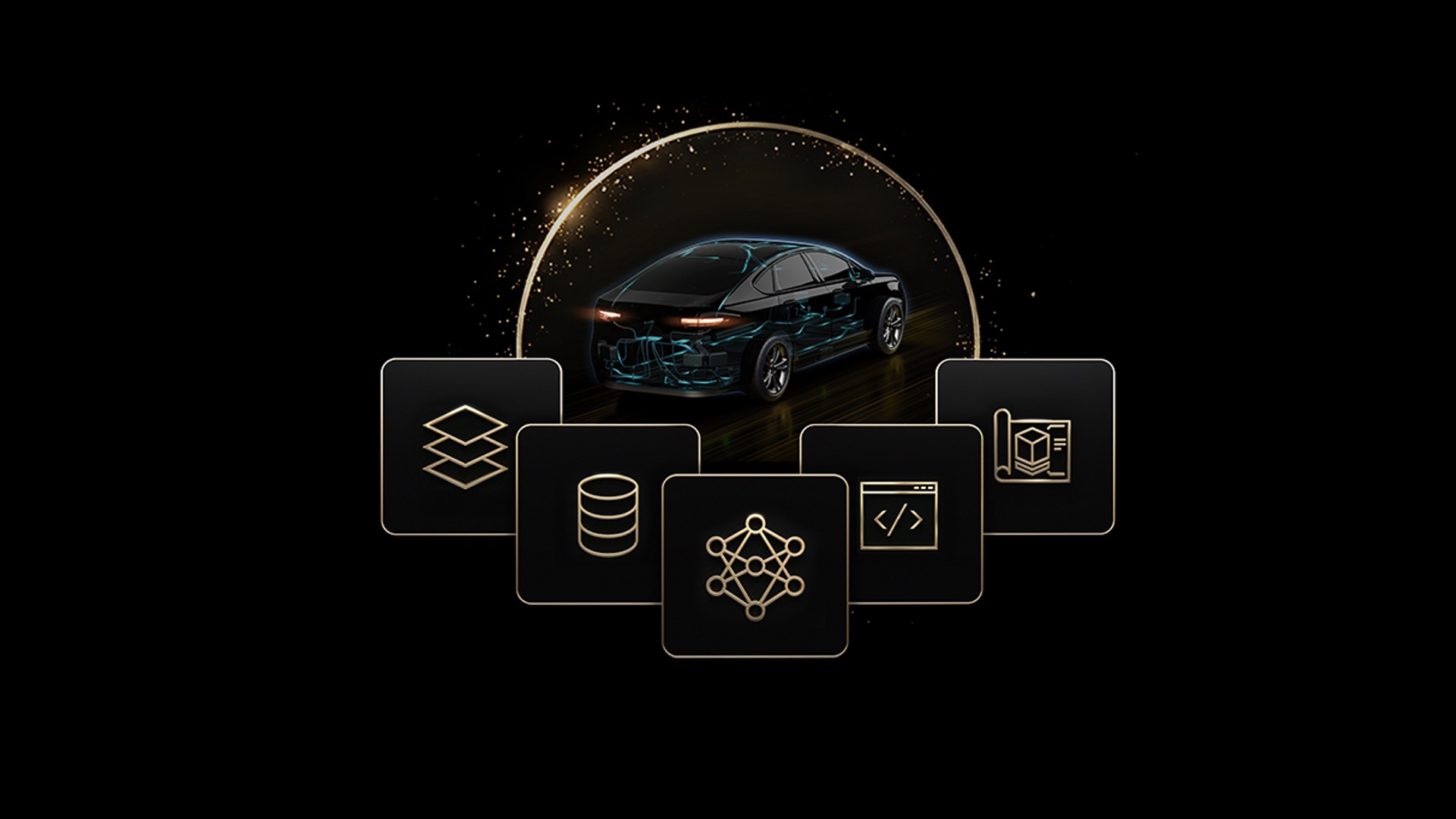
NVIDIA Alpamayo 2 Super, the Frontier Open Model for Robotaxis and Autonomous Vehicles, Now Available for Commercial Use
Brief Overview
Source summary
For robotaxis and other autonomous vehicles (AVs), the hardest problems aren’t the everyday scenarios. They’re the rare, complex situations that are difficult to anticipate and train for. Handling these long‑tail even...
CNW Analysis
What infrastructure teams should watch
The following interpretation connects this industry signal to practical AI infrastructure and capacity planning decisions.
Why this matters
AI model and product announcements matter because they often translate into new workload patterns: larger context windows, higher inference concurrency, more frequent fine-tuning, or tighter response-time expectations. Those changes eventually become infrastructure decisions, even when an announcement is not itself about hardware.
Compute planning signal
Infrastructure teams can use this signal to review whether planned AI workloads are primarily training, fine-tuning, batch inference, or interactive inference. Each profile places different pressure on accelerator memory, serving throughput, storage movement, and operating windows.
Infrastructure takeaway
Capacity choices should begin with a measurable workload profile and a deployment timeline. Before reserving compute, teams should identify the concurrency, reliability, and support expectations that determine whether flexible capacity or more predictable allocation is appropriate.
Related Updates
More AI infrastructure signals
 Cloud
CloudHeadline
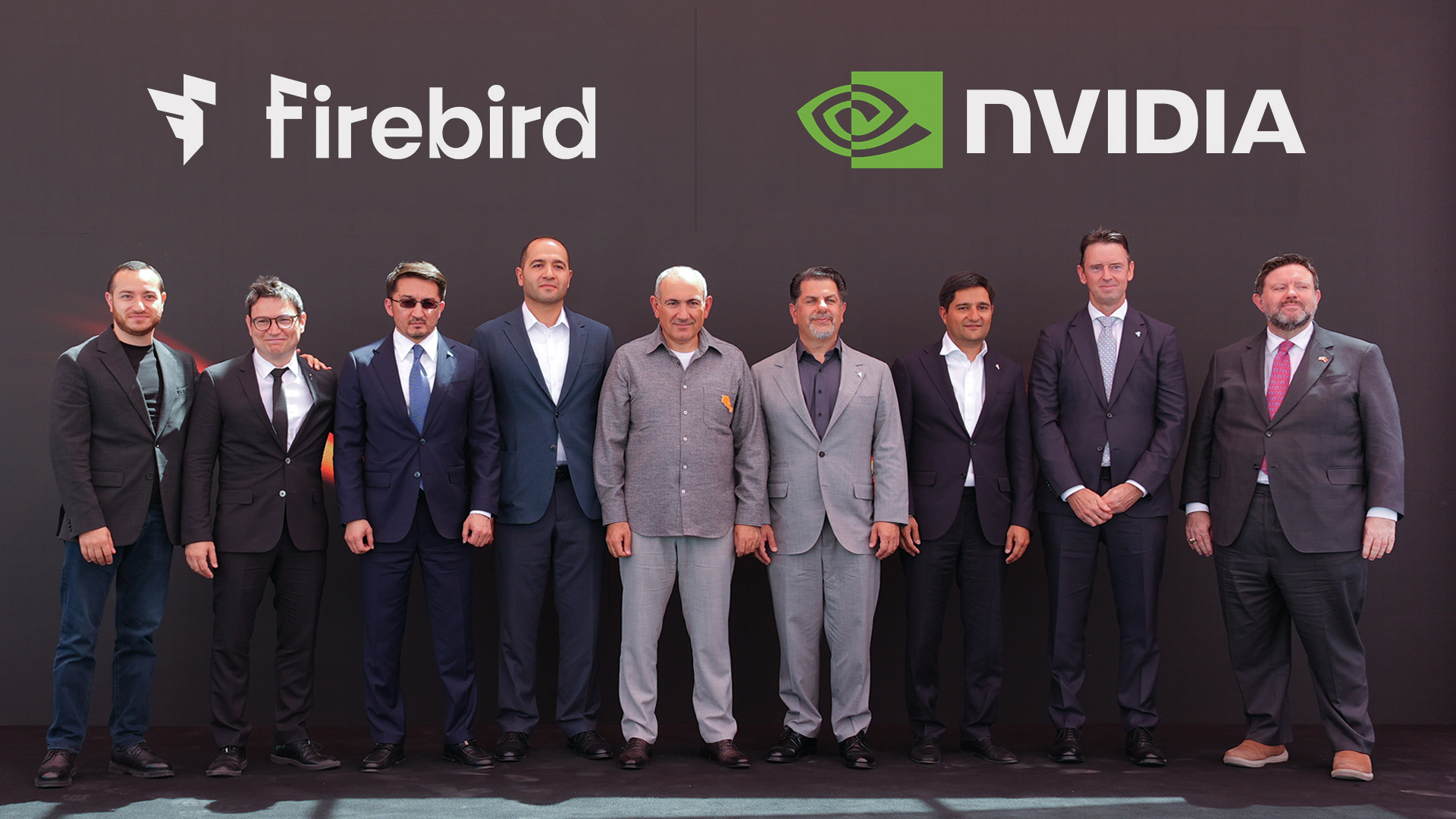
Firebird Launches CIS Region’s Largest AI Factory in Armenia
The global buildout of AI infrastructure reached a new milestone today — Firebird, an emerging AI cloud, launched the CIS region’s largest AI factory in Armenia, establishing a new AI computing hub powered by NVIDIA a...
Read Insight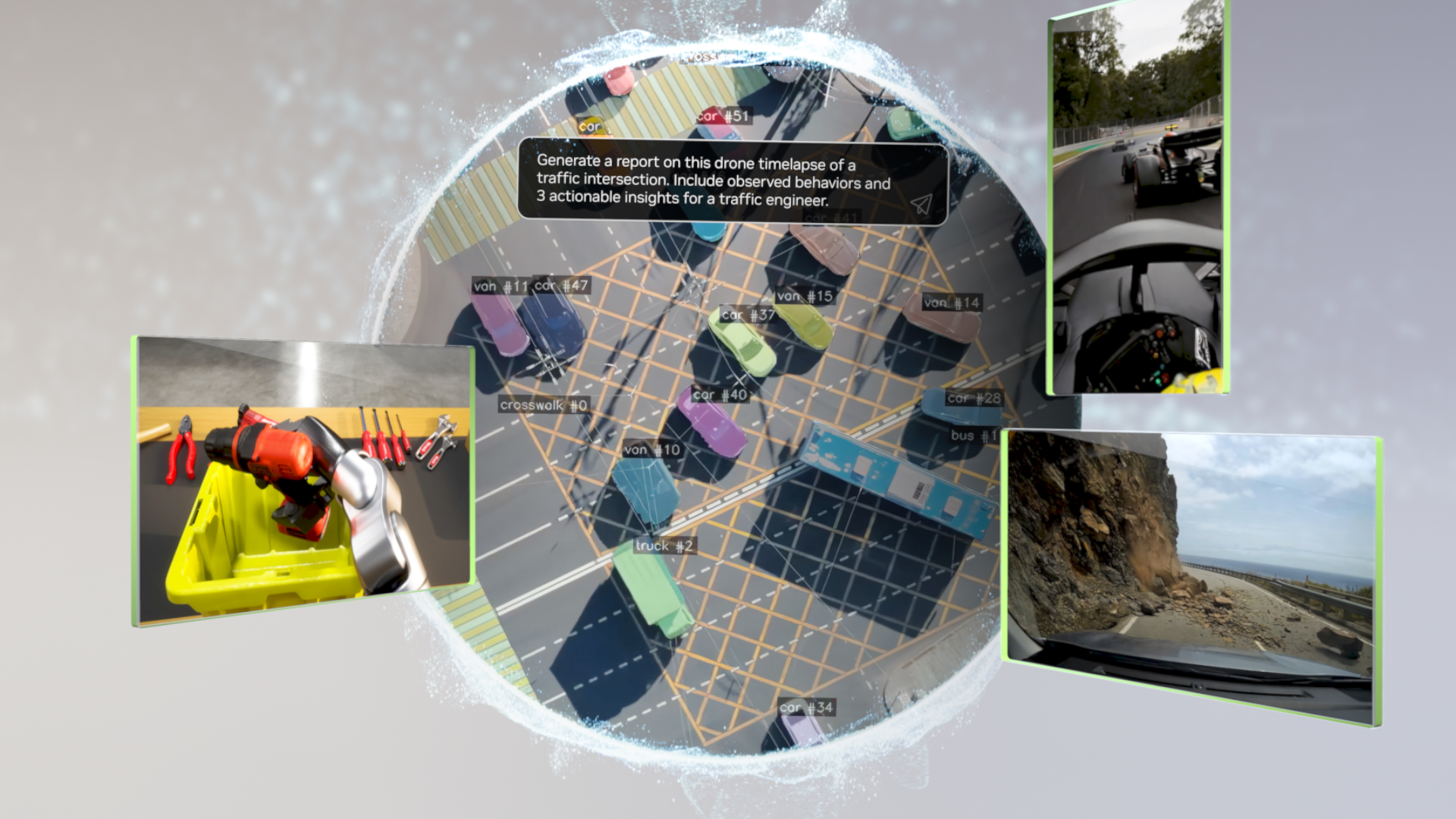 AI
AIHeadline
Into the Omniverse: How Open World Models Push the Frontier of Physical AI
In July, NVIDIA joined more than 200 companies and organizations in signing “Open Weights and American AI Leadership,” an open letter arguing that AI leadership will be measured not by any single frontier model but by...
Read Insight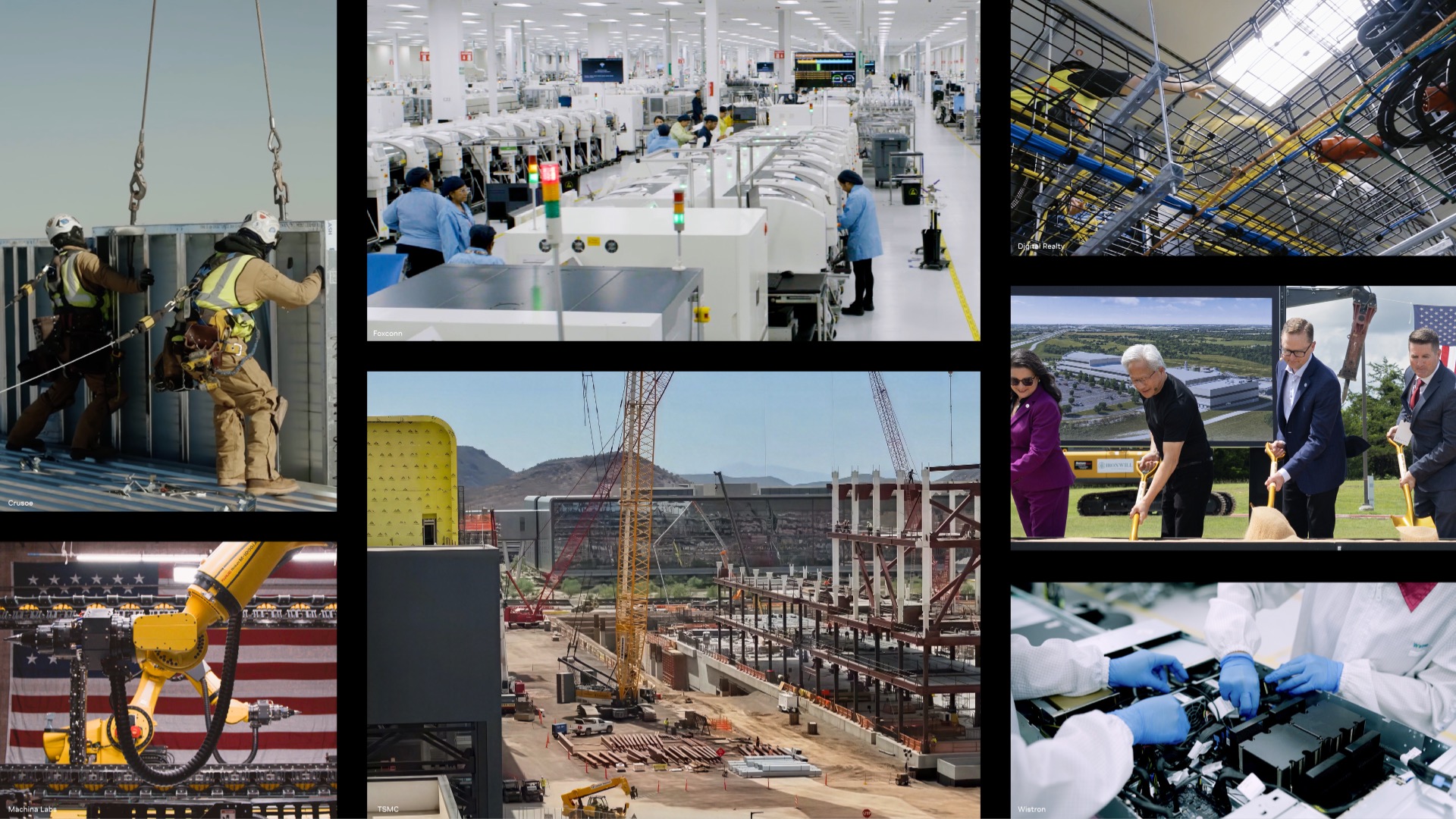 AI
AIHeadline
NVIDIA and Partners Build in America, for America
NVIDIA and its partners are investing in American manufacturing, supply chains, energy grids and skilled workforces so the U.S. can produce the infrastructure needed for better healthcare, breakthrough scientific disc...
Read Insight