

 Cloud
AI Industry Brief
Dial Up the Cloud: NVIDIA DLSS 4.5 Controls Arrive on GeForce NOW
Brief Overview
Source summary
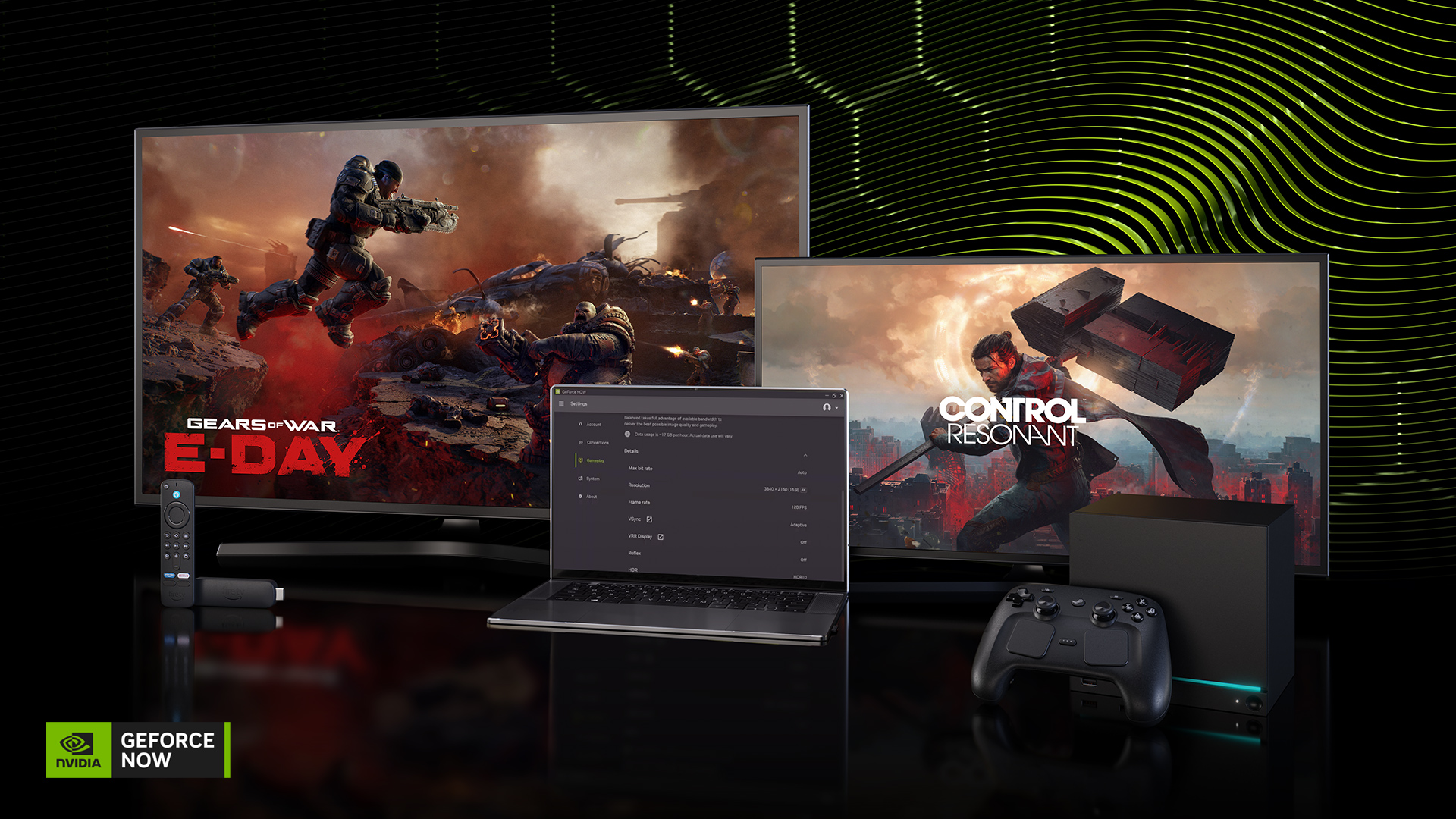
Dial in the next gaming session this GFN Thursday. New NVIDIA DLSS 4.5 controls give GeForce NOW members more choice over how supported games look and perform in the cloud, even without the latest hardware. Then, step...
CNW Analysis
What infrastructure teams should watch
The following interpretation connects this industry signal to practical AI infrastructure and capacity planning decisions.
Why this matters
Cloud AI infrastructure signals matter because teams frequently balance fast access to capacity against predictable performance and operating control. Changes in cloud availability or tooling can influence both model experimentation and production serving plans.
Compute planning signal
The central planning decision is whether demand is elastic and variable or sufficiently steady to benefit from reserved capacity. Inference growth, scheduled batch work, and training milestones each imply different capacity and support requirements.
Infrastructure takeaway
Cloud compute should be evaluated against performance requirements, operating windows, and the support path needed when workloads become business-critical. Flexibility is valuable, but it should remain aligned with measurable service expectations.
Related Updates
More AI infrastructure signals

 GPU
Headline
Spain-Based Startups Advance Regional Innovation With Barcelona Supercomputing Center
The Barcelona Supercomputing Center (BSC)’s AI Factory Accelerator Programme, now in full operation following a pilot initiative, gives startups access to sovereign compute, technical support and training to support i...
Read Insight AI
Headline
Germany Wants to Lead the World in Industrial AI: How NVIDIA Will Help
In the cavernous hall of Kraftwerk, a former power station in Berlin, German Chancellor Friedrich Merz and NVIDIA founder and CEO Jensen Huang sat down to discuss Germany’s AI roadmap, and in particular, the industria...
Read Insight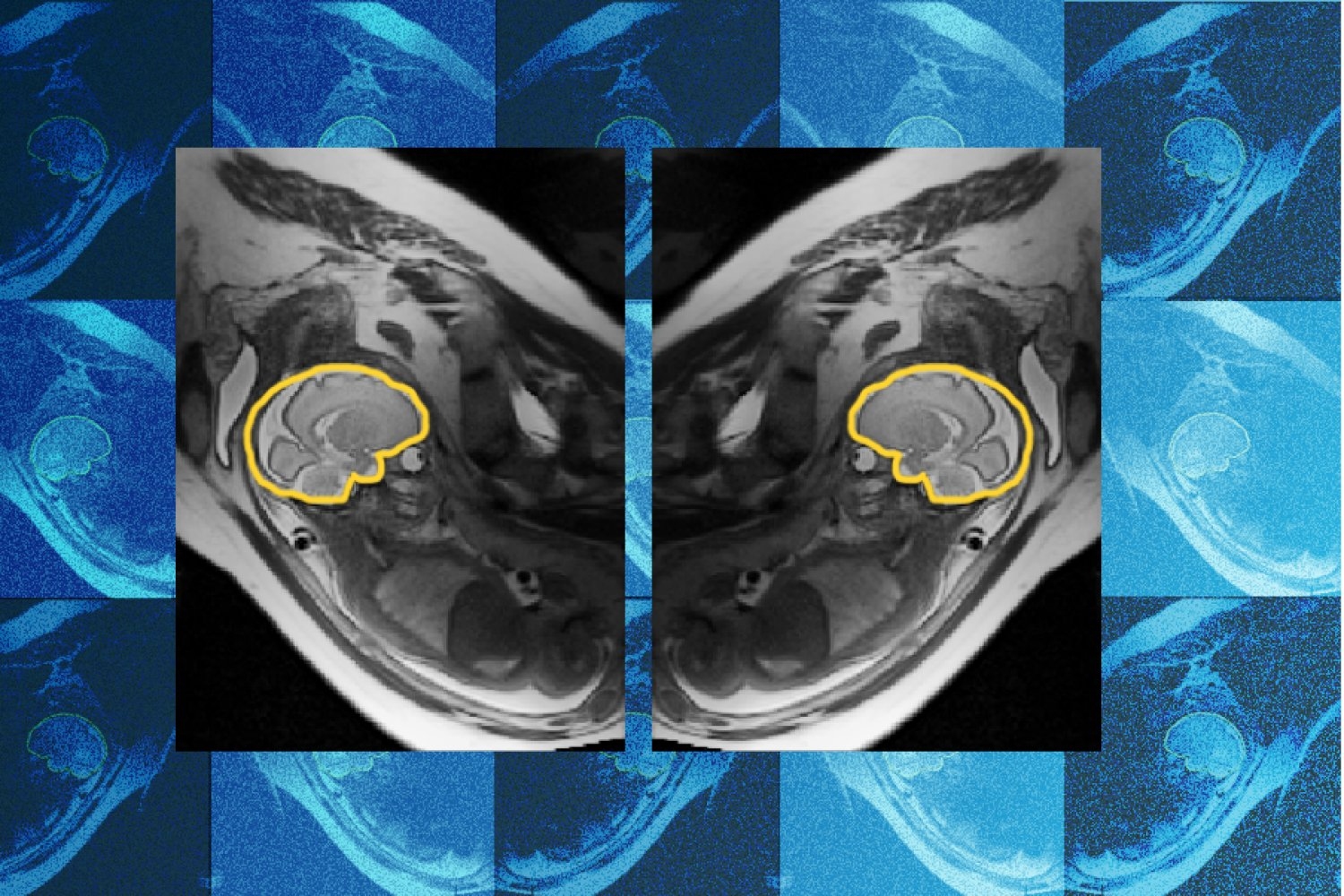 AI
Headline
Why teaching AI about symmetry could make prenatal diagnosis more reliable
A model developed by researchers at MIT and Boston Children's Hospital adjusts scans on the fly to track fetal movement, potentially sparing families repeat hospital visits.
Read Insight